
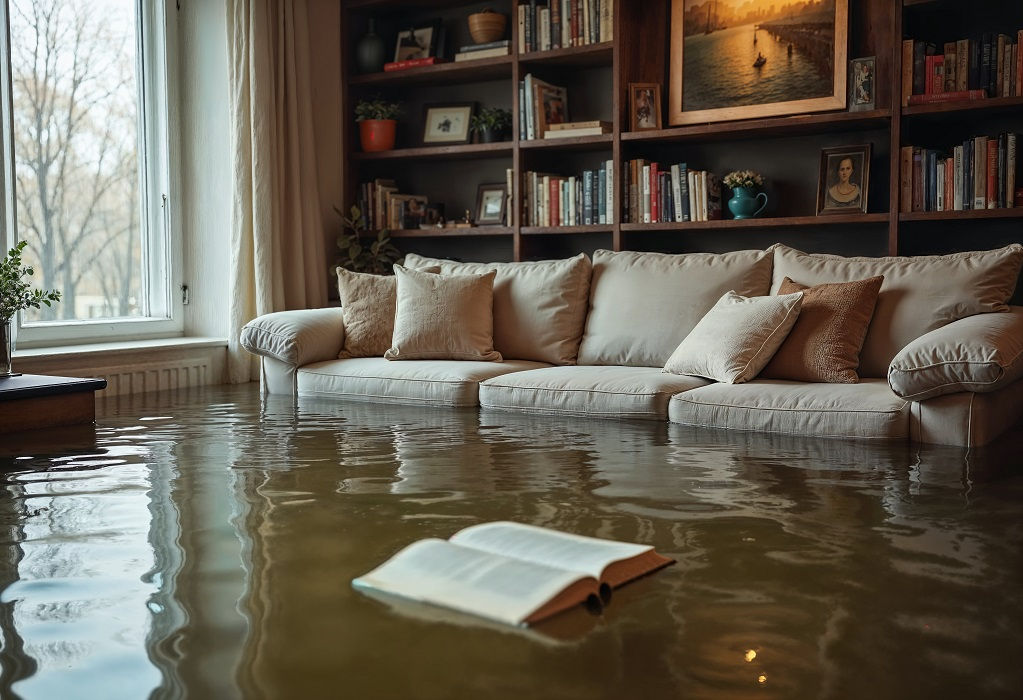
When a flood strikes, every minute matters. Water spreads fast, damages structures, and creates serious health risks if not handled properly. Knowing the first steps in emergency flood repair can help reduce losses, protect your property, and restore safety as quickly as possible. Whether the flooding comes from heavy rain, burst pipes, or sewer backups, acting decisively sets the foundation for effective flood repair and long-term water remediation.
How Do You Ensure Safety Before Starting Flood Repair?
Safety always comes first in any flood repair situation. Floodwater can hide electrical hazards, sharp debris, and contaminants that pose immediate danger.
Start by turning off electricity and gas at the main supply if it is safe to do so. Avoid entering flooded areas if water levels are high or if you suspect structural damage. Wear protective gear such as rubber boots, gloves, and masks to limit exposure to bacteria and mold. Proper safety precautions not only protect people on-site but also prevent further damage during the early stages of water remediation.
Why Is Stopping the Water Source a Critical First Step?
Stopping the source of water is essential to prevent ongoing damage. If the flood results from a plumbing failure, shut off the main water valve immediately. In cases of natural flooding, temporary barriers or sump pumps may help control incoming water.
Without addressing the source, flood repair efforts become ineffective because water continues to seep into walls, floors, and foundations. Early control allows water remediation professionals to focus on extraction and drying instead of fighting a constant inflow.
How Does Water Extraction Begin the Flood Repair Process?
Once the water source is under control, rapid water removal becomes the priority. Standing water causes structural weakening, floor warping, and mold growth within hours.
Professional flood repair teams use high-powered pumps and industrial wet vacuums to remove large volumes of water efficiently. Faster extraction limits how deeply moisture penetrates materials such as drywall, insulation, and wood framing. This step is one of the most critical phases of water remediation because it directly impacts the overall recovery timeline.
What Role Does Drying and Dehumidification Play in Water Remediation?
After visible water is removed, moisture often remains trapped in porous materials. Drying and dehumidification ensure that hidden dampness does not cause long-term issues.
Specialized air movers circulate air across wet surfaces, while commercial dehumidifiers pull moisture from the air. Together, they accelerate evaporation and restore balanced humidity levels. Effective drying supports successful flood repair by preventing secondary damage like mold growth, rot, and unpleasant odors.
Why Is Damage Assessment Essential During Emergency Flood Repair?
A detailed damage assessment helps identify what can be restored and what must be replaced. Floodwater affects more than just floors and walls; it can compromise electrical systems, insulation, and structural components.
During this stage, technicians inspect the property to evaluate water categories, saturation levels, and contamination risks. Accurate assessment allows water remediation plans to be tailored to the specific situation, ensuring no hidden issues remain after flood repair is complete.
How Are Contaminated Materials Handled Safely?
Floodwater often carries sewage, chemicals, and bacteria that make certain materials unsafe to salvage. Carpets, padding, drywall, and insulation may require removal if they absorb contaminated water.
Safe disposal of damaged materials prevents the spread of harmful pathogens and supports a healthier indoor environment. Proper handling also protects occupants during and after flood repair, especially when dealing with black water or heavily polluted sources.
What Steps Are Taken to Prevent Mold After Flooding?
Mold can begin growing within 24 to 48 hours after water exposure, making prevention a top priority. Thorough drying, combined with antimicrobial treatments, helps stop mold before it spreads.
Water remediation specialists apply professional-grade solutions to affected areas, including walls, subfloors, and hidden cavities. These treatments inhibit microbial growth and support a cleaner, safer space. Mold prevention is a vital part of flood repair because mold damage can be costly and hazardous to health.
How Does Cleaning and Sanitizing Support Long-Term Recovery?
Once drying is complete, cleaning and sanitizing restore hygiene and comfort. Flood repair is not only about structural recovery but also about creating a safe living or working environment.
Surfaces are cleaned to remove dirt, residues, and odors left behind by floodwater. Sanitization eliminates bacteria and viruses, reducing health risks. This step ensures that water remediation addresses both visible and invisible damage.
When Should You Call Professionals for Emergency Flood Repair?
While minor water issues may seem manageable, large-scale flooding requires professional expertise. Certified teams have the equipment, training, and experience needed to handle complex flood repair safely and efficiently.
A trusted provider like Ideal Response understands how to manage emergencies with speed and precision. Their structured approach to water remediation helps minimize disruption and restore properties faster. Relying on professionals also ensures compliance with safety standards and insurance requirements.
How Does Documentation Help With Insurance Claims?
Documenting damage is an important step that often gets overlooked during emergency flood repair. Take photos and videos of affected areas before cleanup begins, and keep records of repairs and expenses.
Clear documentation supports insurance claims and helps property owners recover costs more smoothly. Many water remediation professionals assist with this process by providing detailed reports and moisture readings that validate the extent of the damage.
Why Is Ongoing Monitoring Important After Flood Repair?
Even after repairs appear complete, monitoring ensures that moisture levels remain stable. Follow-up inspections confirm that drying was successful and that no hidden dampness remains.
Ongoing monitoring protects your investment and provides peace of mind. It also ensures that flood repair efforts deliver long-lasting results without unexpected issues resurfacing weeks or months later.
How Can Proper Flood Repair Restore Safety and Peace of Mind?
Emergency flooding is stressful, but a clear action plan makes recovery manageable. By prioritizing safety, stopping water intrusion, extracting moisture, and completing thorough water remediation, properties can return to normal quickly.
Choosing experienced professionals like Ideal Response ensures that each step of flood repair is handled with care and expertise. With the right approach, emergency flood repair not only restores structures but also rebuilds confidence and comfort after a crisis.
