
Metal detecting has become a popular outdoor activity for people who enjoy exploration, history, and discovery. Many hobby hunters spend their time searching for coins, jewelry, and hidden relics buried underground in parks, beaches, fields, and old historical locations. This activity combines adventure with the excitement of finding something valuable that has been lost or forgotten over time.
In recent years, interest in Metal Detectors in Turkey has increased significantly. Turkey is a country with a deep historical background, where ancient civilizations once lived. Because of this, the land contains many hidden relics, old coins, and cultural artifacts that attract both hobby hunters and serious treasure seekers.
Modern metal detectors have made it much easier to find these objects. With improved technology, better accuracy, and advanced features, users can now detect small and deep targets with greater success than ever before.
Why Coins, Jewelry, and Relics Are Common Finds
Coins, jewelry, and relics are among the most commonly found objects in metal detecting. There are several reasons for this.
Coins have been used for thousands of years, and many are still lost in everyday life. People drop them in streets, parks, and markets without noticing. Over time, these coins get buried under soil, grass, or sand.
Jewelry is another common find because it is often lost during outdoor activities. Rings, bracelets, and necklaces can easily fall off in beaches, gardens, or swimming areas.
Hidden relics are usually older items such as buttons, tools, and metal pieces from historical times. These objects are often buried deeper in the ground due to soil movement and natural changes.
In regions where Metal Detectors in Turkey are widely used, hobby hunters often discover artifacts that reflect the rich cultural and historical heritage of the area.
How Metal Detectors Help Find Hidden Objects
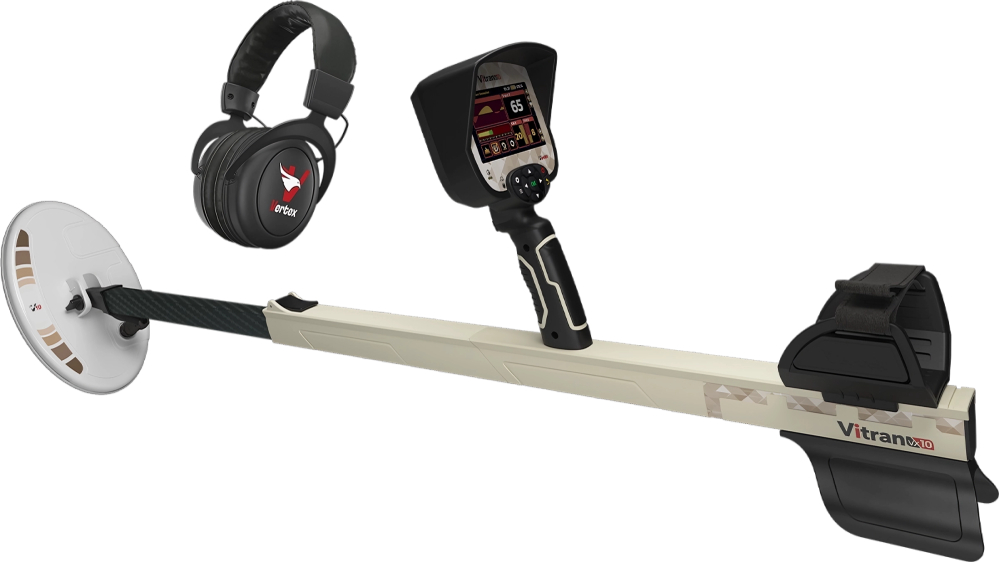
Metal detectors work by sending electromagnetic signals into the ground. When these signals hit a metal object, they return a signal to the detector, which alerts the user through sound or display.
Modern detectors are designed to identify different types of metals and provide information about the target before digging. This helps users focus on valuable items like coins and jewelry instead of unnecessary metal waste.
Advanced technology also allows detectors to work at different depths, making it easier to locate both surface-level and deeply buried objects.
Best Types of Metal Detectors for Coins and Jewelry
Different types of metal detectors are suitable for different kinds of searches. For coins, jewelry, and relics, certain models perform better than others.
Very Low Frequency (VLF) Detectors
VLF detectors are the most commonly used devices for hobby hunting. They are lightweight, easy to use, and highly effective for finding small objects like coins and jewelry.
They are ideal for:
- Parks
- Gardens
- Beaches
- Open fields
These detectors are perfect for beginners and casual users.
Multi-Frequency Detectors
Multi-frequency detectors are more advanced and can detect different metals at the same time. They offer better accuracy and deeper detection compared to basic models.
These detectors are useful for:
- Mixed soil conditions
- Historical sites
- Complex environments
Pulse Induction Detectors
Pulse induction detectors are powerful machines designed for deep searching. They are often used in mineral-rich soil and coastal areas.
They are best for:
- Deep relics
- Gold items
- Heavy mineral ground
Many users of Metal Detectors in Turkey prefer these models when searching in areas with challenging soil conditions.
Where Coins, Jewelry, and Relics Are Found
Location plays a very important role in metal detecting success. Some places are more likely to contain valuable objects than others.
Parks and Public Areas
Parks are common places to find coins and jewelry. People often lose items while walking, playing, or sitting in these areas.
Beaches
Beaches are one of the best locations for jewelry hunting. Rings, earrings, and coins are often lost in sand or shallow water.
Old Villages and Historical Sites
Old settlements are rich in relics and historical artifacts. These areas are especially popular among experienced treasure hunters.
Farmland and Fields
Fields can contain old coins and farming tools buried over time due to soil movement and agriculture.
In countries like Turkey, where history spans thousands of years, Metal Detectors in Turkey are often used to explore these types of locations.
Features That Improve Detection of Small Objects
Finding coins and jewelry requires sensitivity and accuracy. Modern detectors include several features that help improve performance.
High Sensitivity Settings
This allows the detector to find small metal objects that may be deeply buried.
Target Identification
Digital displays help users identify whether the object is likely to be valuable or not.
Discrimination Mode
This feature allows users to ignore unwanted metals like nails or bottle caps.
Ground Balance
Ground balancing reduces false signals caused by minerals in the soil.
Importance of Depth in Relic Hunting
Hidden relics are often buried deeper than modern objects. Over time, soil and natural processes cover old items.
Deep detection capability helps users find:
- Ancient coins
- Historical tools
- Metal artifacts
- Old military items
Advanced detectors are designed to reach deeper layers of soil while maintaining accuracy.
Tips for Successful Coin and Jewelry Hunting
To improve results, hobby hunters should follow some simple tips:
- Move the detector slowly over the ground
- Search in straight and overlapping lines
- Use headphones to hear weak signals
- Learn different audio tones
- Dig carefully to avoid damaging items
These small practices can greatly improve success rates.
Challenges in Finding Coins, Jewelry, and Relics
While metal detecting is exciting, it also comes with challenges:
- Small objects are harder to detect
- Mineralized soil can cause false signals
- Crowded areas may contain too much junk metal
- Weather conditions can affect performance
Advanced technology helps reduce these problems, but skill and patience are still important.
Growing Popularity of Metal Detecting
Metal detecting is becoming more popular around the world. People enjoy it as a hobby, a form of exercise, and a way to connect with history.
The increasing interest in Metal Detectors in Turkey shows how more people are discovering the excitement of finding coins, jewelry, and relics in their local environments.
Responsible Metal Detecting Practices
It is important for hobby hunters to follow responsible detecting rules:
- Respect private property
- Avoid protected archaeological sites
- Fill holes after digging
- Follow local laws and regulations
- Preserve historical items when required
Responsible behavior helps protect cultural heritage and ensures the hobby remains legal and enjoyable.
Conclusion
Metal detectors designed for coins, jewelry, and hidden relics offer an exciting way to explore history and discover valuable objects. With modern features such as high sensitivity, target identification, and improved depth detection, users can enjoy more accurate and rewarding results.
The growing use of Metal Detectors in Turkey reflects the increasing interest in treasure hunting and historical exploration. From beaches to ancient sites, metal detecting provides endless opportunities for discovery.
With the right equipment, proper technique, and patience, anyone can enjoy the thrill of finding lost coins, beautiful jewelry, and hidden relics buried beneath the ground.

