
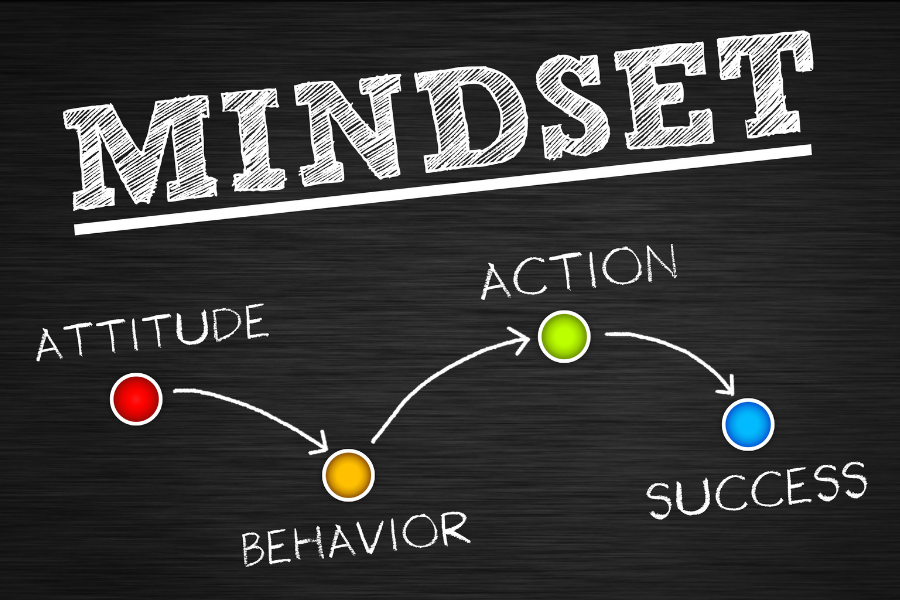
Changing your mindset is one of the most powerful steps you can take to improve your life. The way you think shapes your decisions, habits, and overall outlook. With the right how to change mindset, challenges become opportunities, failures become lessons, and growth becomes inevitable. Shifting your perspective takes effort, but it is possible with intention and consistency.
Understanding What a Mindset Is
A mindset is the set of beliefs and attitudes you hold about yourself and the world. It influences how you interpret situations and respond to them. Psychologist Carol Dweck famously identified two types of mindsets:
-
Fixed Mindset: Believing abilities and intelligence are static and unchangeable.
-
Growth Mindset: Believing skills and intelligence can be developed through effort and learning.
Most people have a mix of both, but leaning toward a growth mindset is essential for long-term success and resilience.
Steps to Change Your Mindset
1. Become Aware of Your Current Beliefs
The first step in transformation is self-awareness. Notice how you talk to yourself. Do you often say, “I can’t do this,” or “I’m just not good at it”? Recognizing these limiting thoughts allows you to challenge and replace them.
2. Reframe Challenges as Opportunities
Instead of seeing obstacles as roadblocks, view them as chances to learn. For example, failing an exam doesn’t mean you’re not intelligent—it means you need to adjust your study methods. Each difficulty provides a stepping stone to improvement.
3. Adopt the Power of “Yet”
One simple shift in language can reshape your mindset. Instead of saying, “I can’t do this,” add the word “yet.” Saying “I can’t do this yet” emphasizes progress and possibility, keeping you motivated to improve.
4. Surround Yourself with Growth-Oriented People
The people you interact with influence your mindset. Being around positive, resilient, and ambitious individuals encourages you to adopt similar attitudes. Seek mentors, join supportive communities, or connect with friends who inspire you.
5. Practice Gratitude and Positive Thinking
Gratitude trains your mind to focus on what’s working instead of what’s lacking. Writing down three things you’re grateful for each day rewires your brain for optimism, helping you build resilience against negativity.
6. Take Small, Consistent Actions
Mindset change doesn’t happen overnight. Break down your goals into small steps and celebrate progress along the way. Over time, consistent effort will transform your beliefs and habits.
The Benefits of a Growth Mindset
Adopting a growth mindset impacts nearly every area of life. It enhances learning, improves relationships, and boosts career success. More importantly, it makes setbacks less discouraging, allowing you to adapt and grow. People with a growth mindset tend to embrace lifelong learning, which leads to continuous self-improvement and fulfillment.
Final Thoughts
Changing your mindset is a journey, not a destination. It requires patience, awareness, and practice. By choosing to see challenges as opportunities, surrounding yourself with supportive influences, and focusing on growth rather than perfection, you can reshape the way you approach life. Remember: progress begins with a single thought—choose one that empowers you.
