
Why AI Search Is Changing the SaaS SEO Game
Let’s be honest. The way people search for information has changed completely. Many agencies are now turning to White Label SEO Services to scale faster and stay competitive in this AI-driven search landscape.
A few years ago, you typed a question into Google and scrolled through ten blue links. Today? You ask ChatGPT, check Perplexity, or just read the AI Overview box at the top of Google’s results page. You never even scroll down.
For SaaS companies, this is both exciting and a little scary. If your content isn’t showing up in these AI-generated answers, you’re invisible. You could have the best product in the world, but if an AI tool recommends your competitor instead of you, you lose the customer before they even know you exist.
That’s exactly why SaaS SEO has evolved. It’s not just about ranking on page one of Google anymore. It’s about getting your content cited, quoted, and recommended by AI platforms. This guide will show you how, step by step, in plain English.
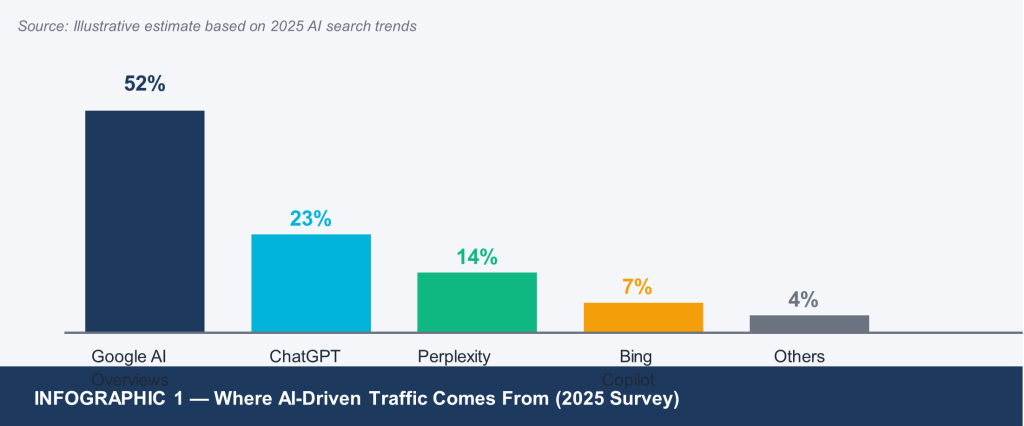
Understand How AI Search Engines Actually Work
Before you optimize anything, you need to understand what these AI platforms actually do. They don’t crawl and rank pages the same way old-school Google does.
ChatGPT (and similar LLMs)
ChatGPT is trained on billions of pieces of text from the internet. When someone asks a question, it generates an answer based on patterns in that data. The newer versions with browsing enabled can also pull from live web pages. So your content needs to be clear, factual, and well-structured enough that the model can pick it up and trust it.
Perplexity AI
Perplexity is basically a search engine powered by AI. It reads the top web pages, summarizes them, and shows citations. If your SaaS blog post or landing page is one of those top sources, Perplexity will link to you. This is huge for SaaS SEO service providers who want client content to appear as trusted sources.
Google AI Overviews
You’ve seen those summary boxes at the top of Google search results. Google picks the most helpful, well-structured content from authoritative sites and summarizes it. Think of it as Google’s version of an AI answer. Getting featured here can drive massive traffic without even needing a click.
| Factor | Traditional SEO | GEO / AI Optimization |
| Goal | Rank on page 1 of Google | Get cited in AI answers |
| Key Signal | Backlinks + Keywords | Authority + Clarity + Structure |
| Content Format | Long articles | Short, direct, factual chunks |
| Speed of Result | Weeks to months | Days to weeks |
| Measurement | Keyword rankings | AI citation frequency |
| Best for | Discovery traffic | Answer-intent queries |
The 5-Step SaaS Content Optimization Framework for AI Platforms
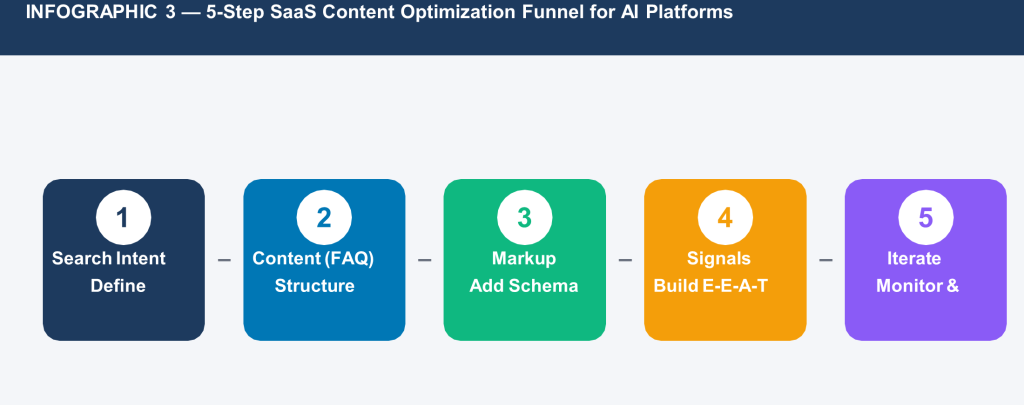
Step 1: Define Search Intent. Answer the Real Question
AI platforms love content that directly answers a specific question. Before writing anything, ask yourself: What is the person actually trying to solve? For example, instead of writing a generic post titled ‘Best Project Management Tools,’ write ‘What is the best project management tool for remote SaaS teams under 10 people?’ That specificity is exactly what AI engines look for.
- Tip: Use Google’s ‘People Also Ask’ and tools like AnswerThePublic to find real questions your audience is asking.
Step 2: Structure Your Content with FAQ Sections
AI engines, especially Google AI Overviews, love FAQ-style content. Why? Because the format is clean, direct, and easy to parse. Here’s a real-world example: Suppose you run a SaaS CRM tool. A blog post with an FAQ section like ‘What is a CRM?’ / ‘How does a CRM help small businesses?’ is far more likely to be picked up by AI than a wall of text describing your features.
- Tip: Add at least 5-7 FAQ questions at the bottom of every SaaS blog post or service page.
Step 3: Add Structured Data (Schema Markup)
Schema markup is code you add to your website that tells search engines what your content is about. For SaaS content, use FAQ Schema, HowTo Schema, and Article Schema. This dramatically improves your chances of appearing in Google AI Overviews. You don’t need to be a developer; tools like Rank Math or Yoast SEO for WordPress can add schema automatically.
- Tip: Test your schema at Google’s Rich Results Test tool (search.google.com/test/rich-results).
Step 4: Build E-E-A-T Signals (Experience, Expertise, Authority, Trust)
Google and AI platforms prioritize content from sources they trust. For SaaS companies, this means: having clear author bios with credentials, linking to reputable sources, getting backlinks from authoritative SaaS and tech sites, collecting real user reviews and case studies, and publishing original data or research. A real-life example: If your SaaS tool is featured in a G2 or Capterra review, link to it. If you’ve helped 500 customers, say so with a case study. These trust signals matter enormously for AI citation.
Step 5: Monitor Your AI Visibility & Iterate
Optimizing for AI is not a one-time task. You need to regularly check whether your content is being cited in Perplexity answers, whether your pages appear in Google AI Overviews, and whether your click-through rate has changed. Tools like Semrush, Ahrefs, and even simple Google Search Console data can help you track performance. Update your content every 3-6 months with fresh stats and examples.
SaaS Content Checklist for AI Optimization
Use this checklist every time you publish or update a SaaS blog post, landing page, or product description. It takes just a few minutes and can make a massive difference in how AI platforms perceive and cite your content.
SaaS Content Quality Checklist for AI Platforms
1:- Answer the question in the first 2 sentences
2:- Use FAQ sections with clear Q&A; format
3:- Add structured data (FAQ, HowTo, Article schema)
4:- Include statistics with source attribution
5:- Write in simple language (Grade 8 reading level)
6:- Keep paragraphs under 4 lines
7:- Use H2/H3 headings with target keywords
How White Label SEO Services Help SaaS Brands Win at AI Search
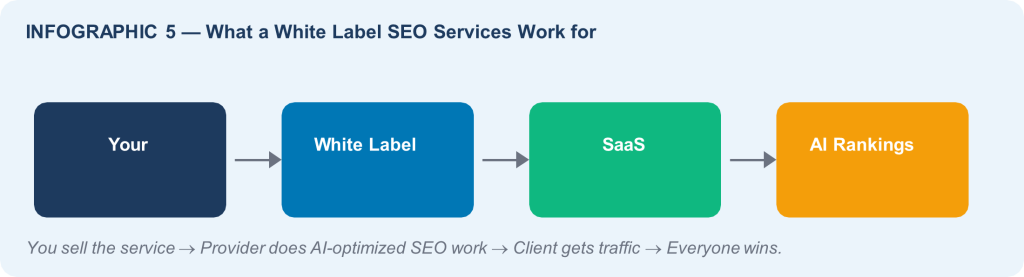
Here’s something a lot of SaaS founders and marketing teams don’t realize: you don’t have to do all of this yourself. White Label SEO Services exist precisely for this reason.
A white-label SEO Service is when an agency does the SEO work behind the scenes, but it’s delivered under your brand name. This is incredibly popular in the SaaS world for a few reasons. Agencies can focus on their core business while delivering world-class SEO. SaaS companies get expert AI-optimized content without hiring an in-house team. And clients see results faster because white-label providers specialize in exactly this.
What a Good White Label SaaS SEO Service Includes
- AI-optimized content writing (FAQ, HowTo, and pillar pages
- Schema markup implementation for every page
- Monthly E-E-A-T audits and content refreshes, Backlink building from SaaS-relevant websites
- Perplexity and ChatGPT citation tracking
- Branded reports you can send directly to clients
What Types of SaaS Queries Trigger AI Answers?
Not all content gets picked up by AI Overviews. Understanding which query types trigger AI answers helps you prioritize your content calendar. Here’s what the data shows:
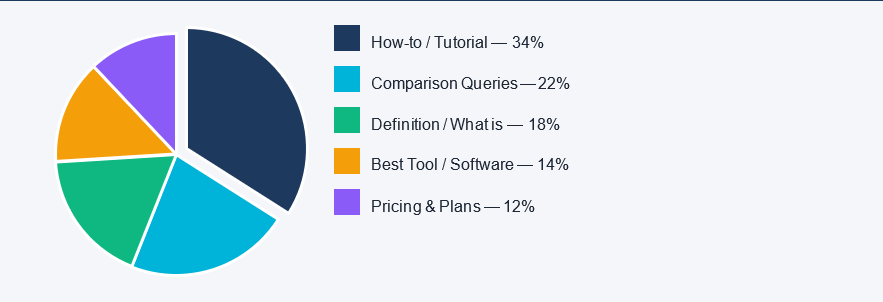
The takeaway? Focus your SaaS content efforts on how-to tutorials, comparison pages (Your Tool vs Competitor), and clear definition pages. These are the content types that AI engines love to summarize and cite. A SaaS CRM company, for example, might publish: ‘How to set up a CRM for a 5-person team,’ ‘HubSpot vs Salesforce Which is Better for Startups?’, and ‘What is a SaaS CRM? (Simple Explanation with Examples).’ All three are exactly the types of content AI platforms reach for when answering user questions.
Quick Wins: 7 Things You Can Do This Week
1 Rewrite your top 5 blog posts to answer the main question in the first sentence.
2 Add an FAQ section with 6-8 questions to each key landing page.
3 Install an SEO plugin and enable FAQ schema on your WordPress or Webflow site.
4 Search your target keyword on Perplexity and see who gets cited, then study that content.
5 Add real customer statistics or data points to your most important pages.
6 Create an author bio page for your main content writers with credentials and links.
7 Consider partnering with a white-label SEO Service to scale AI content production fast.
“AI platforms don’t just rank content, they choose content they trust. Your job is to make your SaaS content undeniably trustworthy, clear, and useful.”
About Touchstone Infotech, Your SaaS Seo Partner
If you’re looking for a reliable digital marketing partner, Touchstone is here to help you grow in today’s AI-driven search landscape. We specialize in modern SEO strategies that go beyond traditional rankings, focusing on visibility across platforms like Google, ChatGPT, and other AI tools.
Our team offers complete solutions, including SEO, content marketing, and white-label SEO Services to help agencies and businesses scale without extra hiring. We focus on creating clear, structured, and high-quality content that builds trust and delivers real results.
With a practical and results-driven approach, we help brands improve visibility, attract the right audience, and stay ahead in a rapidly changing digital world.
Conclusion: Your SaaS Content Must Work for AI, Not Just Google
The shift to AI search is real, and it’s accelerating. ChatGPT now has over 100 million weekly users. Perplexity is growing 300% year on year. Google AI Overviews appear in nearly half of all search results. If your SaaS content isn’t optimized for these platforms, you’re leaving traffic and revenue on the table.
The good news? The fundamentals haven’t changed as much as people fear. Clear writing, structured content, genuine expertise, and real answers to real questions — that’s what works. The difference is just that you now need to think about AI engines as your reader, not just human visitors.
Start small. Pick one blog post this week. Restructure it with a direct answer in the first paragraph, add a FAQ section, and make sure your schema is in place. Then check if it starts showing up in Perplexity or Google AI Overviews within 3-4 weeks. You’ll be surprised how quickly things can change.
