
In today’s global supply chain, products often travel thousands of kilometers before reaching their final destination. Along the way, they are exposed to handling risks such as drops, vibrations, collisions, and excessive acceleration. Even minor mishandling can lead to hidden damage, costly returns, and customer dissatisfaction. This is where a shock data logger becomes an essential tool for manufacturers, logistics providers, and quality assurance teams.
4
What Is a Shock Data Logger?
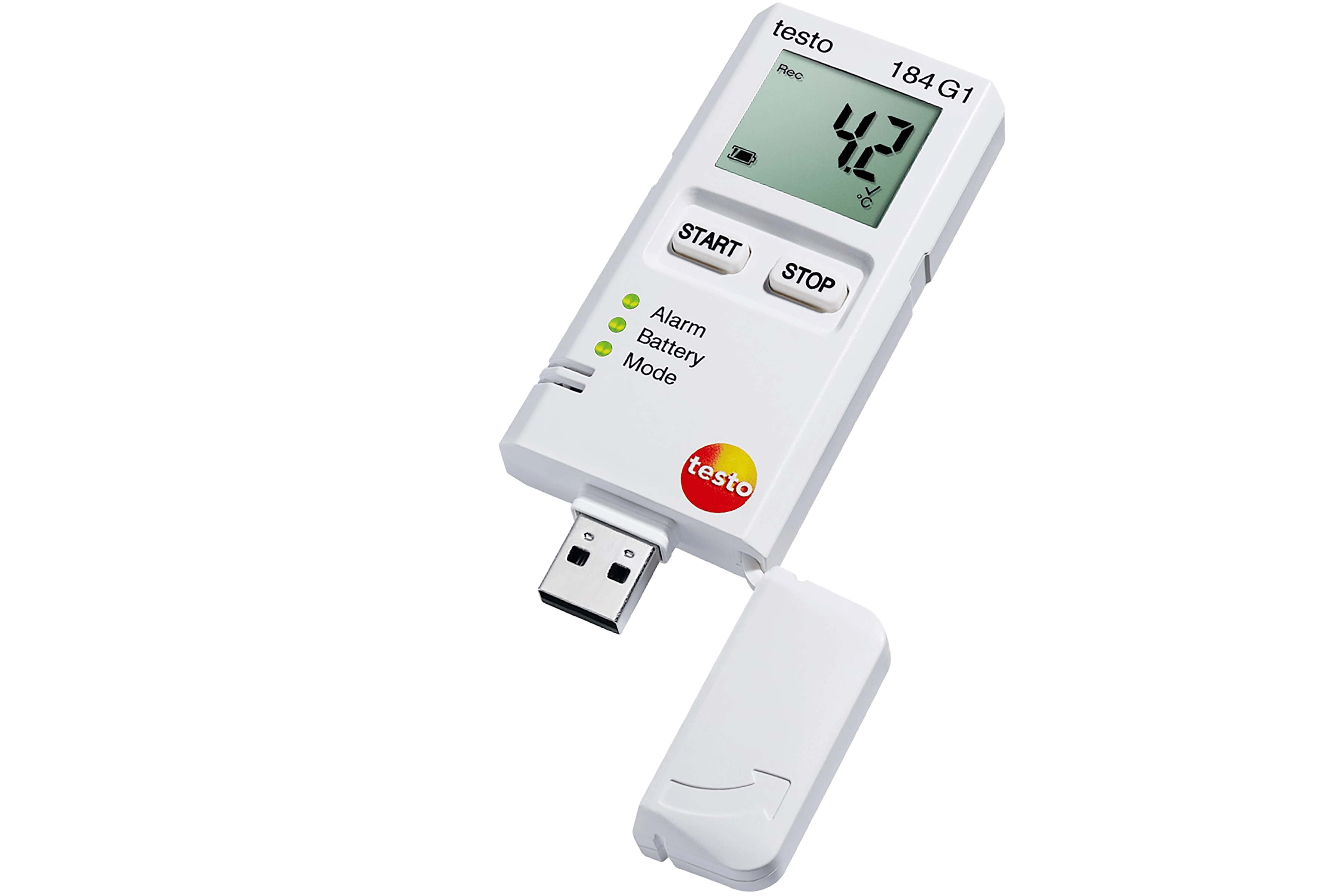
A shock data logger is a compact electronic device designed to measure, record, and store shock, impact, and vibration events experienced by an object during transportation or handling. Using built-in accelerometers, the logger captures acceleration forces (commonly measured in g-force) whenever predefined thresholds are exceeded. The collected data can later be downloaded and analyzed to determine whether a product has been subjected to potentially damaging conditions.
Modern shock data loggers often include additional sensors such as temperature, humidity, or tilt detection, offering a comprehensive view of the environmental and mechanical stresses encountered throughout the journey.
How Shock Data Loggers Work
At the core of a shock data logger is a high-precision accelerometer that continuously monitors motion across one or more axes. When a sudden impact or vibration occurs, the device records key parameters such as peak acceleration, event duration, time stamp, and sometimes direction of impact. These events are stored in internal memory and can be retrieved via USB, Bluetooth, or wireless cloud platforms.
Advanced models allow users to configure trigger thresholds, sampling rates, and logging intervals. This flexibility ensures that only relevant shock events are recorded, conserving memory and extending battery life.
Key Benefits of Using Shock Data Loggers
1. Damage Prevention and Root Cause Analysis
Shock data loggers help identify when and where damaging events occur. By correlating shock data with shipping routes or handling stages, organizations can pinpoint weak points in their logistics process and take corrective action.
2. Reduced Costs and Claims
By providing objective evidence of mishandling, shock data loggers support insurance claims and disputes with carriers. This reduces financial losses and discourages careless handling.
3. Improved Packaging Design
Data collected from shock loggers is invaluable for packaging engineers. Real-world impact data enables optimization of cushioning materials and package design, ensuring adequate protection without unnecessary cost or weight.
4. Quality Assurance and Compliance
Industries such as medical devices, aerospace, and electronics require strict handling standards. Shock data loggers provide documented proof that products remained within acceptable limits during transit.
Applications Across Industries
Shock data loggers are used across a wide range of industries. In electronics manufacturing, they protect sensitive components from invisible internal damage. In the medical and pharmaceutical sectors, they ensure that diagnostic equipment and devices arrive intact and compliant with regulatory requirements. Industrial machinery suppliers rely on shock data to safeguard heavy or high-value equipment during international shipping. Even fine art, museum exhibits, and precision instruments benefit from continuous shock monitoring.
Features to Look for in a Shock Data Logger
When selecting a shock data logger, several factors should be considered. Measurement range and accuracy are critical, especially for high-impact environments. Battery life should align with shipment duration, while memory capacity must be sufficient to store all relevant events. Ease of data retrieval and analysis is also important; intuitive software and clear reporting save time and reduce training requirements.
Durability is another key consideration. Shock data loggers are often exposed to harsh conditions, so a rugged enclosure and reliable performance are essential.
The Future of Shock Monitoring
With the rise of Industry 4.0 and smart logistics, shock data loggers are becoming more connected and intelligent. Wireless communication, real-time alerts, and cloud-based analytics are transforming them from passive recording devices into proactive monitoring systems. Instead of discovering damage after delivery, companies can now intervene mid-shipment to prevent losses.
Artificial intelligence and data analytics are also enhancing the value of shock data. By analyzing large datasets across multiple shipments, organizations can predict risk patterns and continuously improve supply chain performance.
Conclusion
A shock data logger is more than just a monitoring device—it is a strategic investment in product protection, quality assurance, and operational efficiency. By providing clear, objective insight into how products are handled, shock data loggers empower businesses to reduce damage, cut costs, and build trust with customers. In an increasingly competitive and quality-driven marketplace, intelligent shock monitoring is no longer optional—it is essential.

