
A retriever’s health and happiness rely heavily on a home that meets both physical and emotional needs. English cream golden retriever breeds particularly flourish in environments that provide space, safety, and structured stimulation. Their natural energy and friendly temperament require thoughtful planning of indoor and outdoor areas to prevent behavioral issues and support emotional well-being. Proper living conditions not only promote exercise and comfort but also foster strong bonds with family members. Every detail, from resting spots to social interaction, plays a vital role in ensuring retrievers remain active, healthy, and well-adjusted companions.
Space Requirements for Retrievers
Space is a critical factor for retrievers due to their active nature. They require indoor areas that allow free movement and outdoor areas where they can run and explore safely. Homes with large yards or access to nearby parks provide opportunities for daily exercise, preventing destructive behavior. Designating specific areas for play, rest, and feeding helps maintain structure and reduces stress. Retrievers also need clutter-free pathways to avoid accidents and allow unhindered activity. Ensuring enough room indoors and outdoors supports physical health, mental stimulation, and overall happiness, making the living environment suitable for all stages of life.
Climate and Weather Considerations
Retrievers adapt to different climates, yet extreme temperatures can impact their well-being. Moderate weather is ideal, but hot climates require shaded outdoor areas, hydration stations, and limited midday activity. Cold climates demand insulated shelters, warm bedding, and protective gear for outdoor walks. Indoor climate control, such as heating in winter and fans or air conditioning in summer, ensures comfort throughout the year. Seasonal adjustments also include ventilated resting areas and avoiding exposure to extreme weather for long periods. Careful planning for weather conditions prevents health problems and allows retrievers to remain active and comfortable regardless of environmental changes.
Safety and Accessibility in the Home
Creating a safe environment reduces injury risks and promotes confidence in retrievers. Indoor hazards like electrical cords, fragile items, and slippery flooring should be removed or secured. Outdoor areas require strong fencing, secure gates, and clear pathways to prevent accidents. Accessibility features, such as ramps or low steps, help puppies, adult dogs, and seniors navigate easily. Safe resting areas and avoidance of toxic plants or chemicals are essential. Proper safety measures decrease stress and support well-being. A secure, accessible home allows retrievers to explore and exercise without risk while providing owners with peace of mind about their pet’s safety.
Social and Family Environment
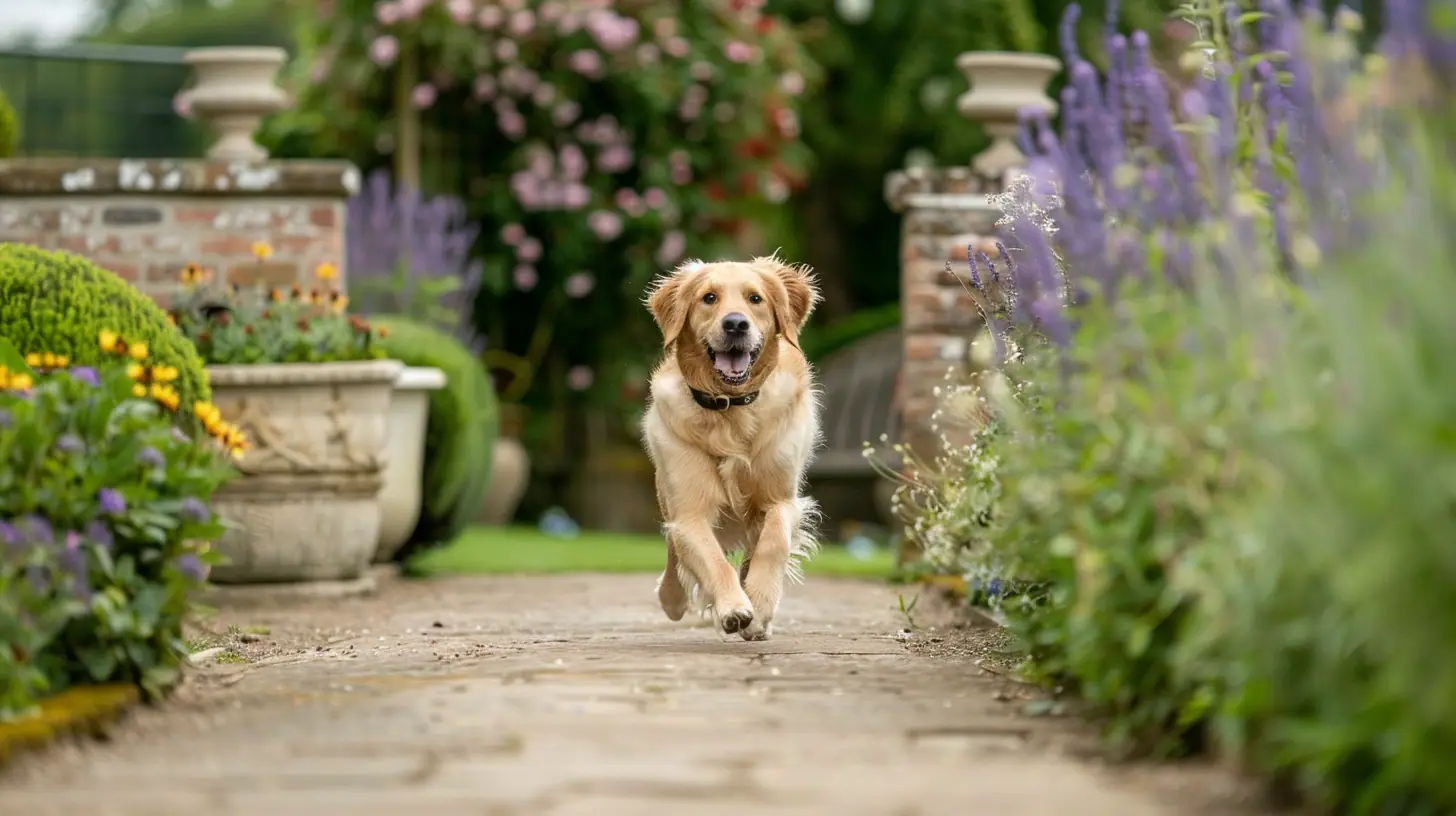
Retrievers thrive in homes with strong social interaction and structured routines. Consistent attention from family members promotes mental stability and positive behavior. Interaction with other pets encourages socialization, reduces boredom, and builds confidence. Incorporating daily playtime, obedience training, and affectionate engagement strengthens emotional bonds and reduces anxiety. A loving and predictable environment allows retrievers to feel secure, boosting overall happiness. Structured social routines also support learning and discipline, which are crucial for active breeds. Meeting social and emotional needs ensures retrievers are well-rounded, obedient, and confident, making them more enjoyable companions in any household setting.
Essential Features of an Ideal Outdoor Area
- Secure, fenced-in yard to prevent wandering
- Shaded areas for hot days and summer safety
- Open space for running, fetching, and exercising
- Safe surfaces, avoiding sharp objects or toxic plants
- Easy access to fresh water for hydration
- Pathways suitable for walking and gentle running
- Quiet corners for rest after playtime
These features provide a safe and stimulating outdoor environment that satisfies retrievers’ natural instincts and need for daily physical activity.
Indoor Environment Considerations
Indoor spaces should balance comfort and functionality. Supportive beds and quiet corners allow restful sleep, while designated play areas encourage safe indoor activity. Non-slip flooring prevents injuries, especially on high-traffic surfaces. Adequate temperature control ensures comfort throughout all seasons. Providing space for toys, puzzles, and enrichment activities encourages mental engagement. Maintaining a clean, organized home reduces stress for retrievers and prevents accidents. Separating feeding, sleeping, and play areas promotes structure, improving behavior and overall well-being. A thoughtfully designed indoor environment helps retrievers feel secure, engaged, and part of family life at all times.
Mental and Physical Stimulation Needs
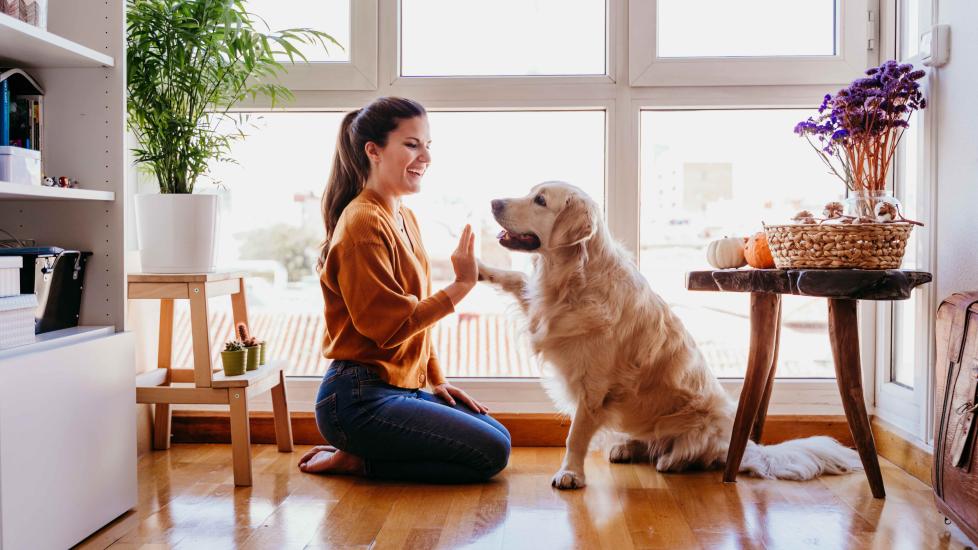
Retrievers require daily exercise and mental stimulation to maintain health and prevent behavioral issues. Activities such as fetch, swimming, walking, and puzzle games challenge both body and mind. Environmental enrichment supports problem-solving skills and reduces stress. Structured routines that combine exercise with mental games keep retrievers focused and happy. Training sessions, agility exercises, and interactive toys provide consistent stimulation, preventing boredom and destructive tendencies. A balanced approach to mental and physical activity strengthens the bond between owner and dog while encouraging confidence and positive behavior, making the home a productive and engaging environment for the retriever.
Adjusting the Environment for Life Stages
Retriever needs evolve over time, requiring adjustments in living conditions. Puppies need safe spaces to explore and learn without risk. Adult retrievers benefit from larger outdoor areas, structured routines, and consistent mental stimulation. Senior retrievers require ramps, supportive bedding, and modified exercise to reduce joint stress. Indoor resting areas should be comfortable and accessible for older dogs. Outdoor spaces should be free of obstacles and hazards. Tailoring the environment to life stages ensures comfort, safety, and continued mental engagement. This approach supports healthy aging while maintaining activity levels and emotional well-being throughout the retriever’s life.
Conclusion
The ideal living environment for a retriever combines space, safety, mental stimulation, and social engagement. Both indoor and outdoor spaces must support activity, comfort, and security. Climate adjustments, structured routines, and enrichment activities contribute to physical health and emotional well-being. Life-stage adaptations ensure that retrievers remain comfortable from puppyhood through senior years. Owners who carefully plan their home environment encourage loyalty, happiness, and positive behavior. A well-prepared living space ensures that retrievers thrive as active, confident, and affectionate companions, creating a fulfilling relationship between dog and family.

