
Choosing the right permanent tooth solution is an important decision that affects not only your smile but also your overall oral health. With so many options available, it’s essential to understand the benefits, costs, and long-term effects of each. For those considering the most reliable and natural-feeling option, searching for dental implants near me can be a great first step to finding experienced professionals who can guide you through the process and ensure a lasting, healthy solution.
Understanding Permanent Tooth Solutions
Types of Permanent Tooth Solutions
Dental Implants: Overview, Durability, and Natural Feel
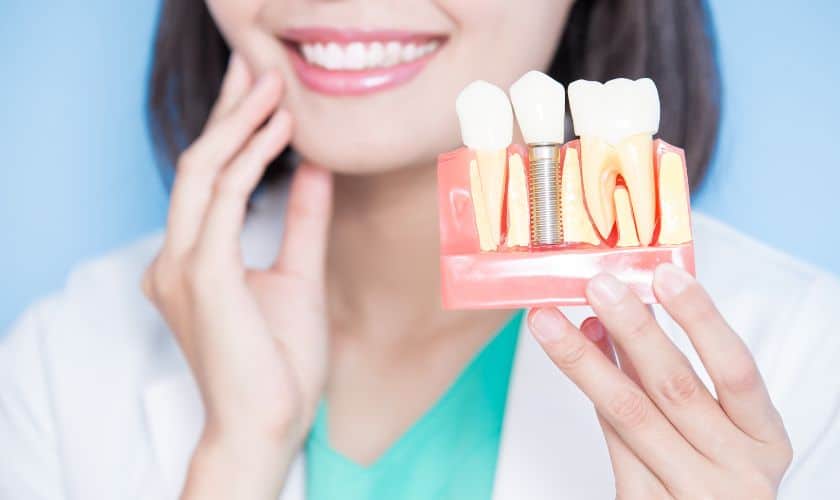
Dental implants are widely considered the gold standard for replacing missing teeth. They involve surgically placing a titanium post into the jawbone, which acts as a stable root for a crown or bridge. One of the biggest advantages of dental implants is their durability—they can last a lifetime with proper care. Additionally, implants look and feel like natural teeth, allowing you to eat, speak, and smile with confidence. Because they integrate directly with the bone, they also help prevent bone loss and maintain the structure of your face over time.
Fixed Bridges: How They Work and When They Are Suitable
Fixed bridges are another permanent option for replacing missing teeth. Unlike implants, bridges rely on the adjacent natural teeth for support. The teeth on either side of the gap are prepared to hold crowns, which are then connected to a replacement tooth (or teeth) in between. Bridges are often recommended when implants are not an option due to insufficient bone density or certain health conditions. They provide a stable, aesthetically pleasing solution, but unlike implants, they do not prevent bone loss in the area where the tooth is missing.
Partial or Full Dentures: Pros and Cons
Partial and full dentures are removable solutions that replace multiple missing teeth. Partial dentures fill the gaps left by some missing teeth and attach to the remaining natural teeth with clasps or precision attachments. Full dentures replace an entire arch of teeth. While dentures are usually more affordable than implants or bridges and can restore your smile quickly, they may feel less stable and require adjustments over time. Dentures also do not prevent bone loss in the jaw, which can lead to changes in facial structure if not monitored carefully.
Differences Between Temporary and Permanent Solutions
Short-Term Options vs. Long-Term Benefits
Temporary solutions, such as removable dentures or temporary crowns, are useful for short-term aesthetics and functionality, but they are not designed for long-term durability. Permanent solutions like implants or fixed bridges provide lasting results that closely mimic natural teeth, offering stability, comfort, and enhanced oral health over the years.
Cost-Effectiveness Over Time
While permanent solutions typically have a higher upfront cost, they often save money in the long run. Temporary options may require frequent repairs, replacements, or adjustments, whereas implants and bridges, with proper care, can last for decades, reducing the need for repeated dental procedures.
Impact on Oral Health
Permanent solutions have significant benefits for oral health. Implants prevent bone loss and maintain jaw structure, bridges protect adjacent teeth from shifting, and even well-fitted dentures help maintain proper bite alignment. In contrast, temporary solutions may not address these issues, potentially leading to further dental problems if used long-term.
Factors to Consider Before Choosing a Permanent Solution

Oral Health and Bone Structure
Importance of Healthy Gums and Jawbone Density
A strong foundation is essential for any permanent tooth solution. Healthy gums and sufficient jawbone density are critical for procedures like dental implants, which require bone to support the implant securely. Weak or deteriorated bone may affect the success of the treatment and could lead to complications if not addressed beforehand.
Potential Need for Bone Grafting
In cases where the jawbone is insufficient, a bone graft may be necessary to create a stable base for implants. This procedure adds time and cost but significantly increases the chances of long-term success. Your dentist will assess your bone density through imaging and recommend the appropriate treatment plan to ensure durability and stability.
Budget and Insurance Coverage
Average Costs for Implants, Bridges, and Dentures
Permanent tooth solutions vary widely in cost. Dental implants are typically the most expensive upfront but offer long-lasting benefits. Fixed bridges fall in the mid-range, while partial or full dentures are usually more affordable initially. It’s important to weigh these costs against the longevity and functionality of each solution to determine overall value.
Insurance Considerations and Payment Options
Dental insurance coverage can significantly reduce out-of-pocket expenses, but not all plans cover every type of permanent solution. Implants may require additional approvals or specialized coverage, whereas bridges and dentures are often partially covered. Discuss financing options with your dentist to make your chosen treatment more accessible.
Lifestyle and Personal Preferences
Comfort, Aesthetics, and Ease of Maintenance
Consider how the solution will fit into your daily life. Dental implants feel and function like natural teeth, offering maximum comfort and aesthetics. Bridges provide a fixed option with minimal maintenance, while dentures require regular cleaning and occasional adjustments. Your comfort and confidence in your smile are key factors in long-term satisfaction.
Age and Activity Level Considerations
Age, oral habits, and lifestyle play a role in choosing the right solution. Active individuals may prefer the stability of implants, while older patients or those with certain health conditions might opt for bridges or dentures. Discussing these factors with your dentist ensures the solution aligns with both your health and lifestyle needs.
Long-Term Durability and Maintenance
Lifespan of Each Solution
The longevity of permanent tooth solutions varies. Dental implants can last a lifetime with proper care, bridges typically last 10–15 years, and dentures may require replacement every 5–10 years. Understanding this helps set realistic expectations for long-term oral health.
Cleaning and Care Requirements
Maintenance is key to ensuring durability. Implants require regular brushing, flossing, and dental checkups. Bridges need careful cleaning around supporting teeth to prevent decay, while dentures must be cleaned daily and occasionally relined to maintain fit. Proper care directly affects comfort, function, and lifespan.
Benefits of Choosing the Right Permanent Tooth Solution
Improved Oral Health
Prevents Shifting of Remaining Teeth
When a tooth is missing, neighboring teeth may shift into the gap, causing misalignment and bite problems. Permanent solutions like implants or bridges restore proper spacing, preventing complications and preserving overall dental alignment.
Reduces Risk of Gum Disease and Bone Loss
Permanent solutions help maintain healthy gums and jawbone integrity. Implants, in particular, stimulate the bone and prevent deterioration, while bridges and dentures help maintain the structure and function of surrounding teeth, reducing the risk of gum disease over time.
Enhanced Aesthetics and Confidence
Natural-Looking Teeth Restore Your Smile
Modern dental solutions are designed to blend seamlessly with your natural teeth. Implants, bridges, and high-quality dentures provide a realistic appearance that restores your smile and facial structure.
Boosts Self-Esteem in Social and Professional Settings
A confident smile can improve self-esteem and positively impact both personal and professional interactions. With the right permanent tooth solution, you can speak, eat, and smile without hesitation, enhancing your overall quality of life.
Convenience and Long-Term Cost Savings
Fewer Replacements or Repairs
Permanent solutions, especially dental implants, offer a durable option that can last decades. Unlike temporary solutions that require frequent adjustments or replacements, implants and bridges minimize long-term maintenance and inconvenience.
Less Frequent Dental Visits Compared to Temporary Options
Since permanent solutions are stable and long-lasting, patients experience fewer emergency visits, repairs, or replacements. This saves both time and money while ensuring a consistent, reliable smile.
Questions to Ask Your Dentist Before Deciding
Before committing to a permanent tooth solution, it’s essential to discuss your options with a dental professional. Here are key questions to guide your conversation:
-
What is the best solution for my oral condition?
-
Personalized recommendations depend on bone health, missing teeth, and lifestyle factors.
-
-
What are the risks and complications?
-
Understand potential challenges like infection, implant failure, or issues with adjacent teeth.
-
-
How long will the procedure take, and what is the recovery period?
-
Clarify the timeline for treatment, healing, and return to normal activities.
-
-
What maintenance is required for each option?
-
Ask about daily care, cleaning techniques, and follow-up appointments to ensure longevity.
-
Final Thoughts
Choosing the right permanent tooth solution is a decision that can have a lasting impact on your oral health, appearance, and confidence. By carefully evaluating factors such as oral health, bone structure, budget, lifestyle, and long-term maintenance, you can make an informed choice that suits your unique needs.
Consulting with a dental professional is essential to receive personalized guidance and ensure the solution you select is both effective and sustainable. Don’t wait to restore your smile—schedule a consultation today to explore the best permanent tooth solution and take the first step toward a healthier, more confident you.
FAQs
1. What are the best permanent tooth replacement options?
Dental implants, fixed bridges, and dentures are the most common permanent solutions, each suited for different oral health needs and lifestyle preferences.
2. How long do dental implants last?
With proper care, dental implants can last a lifetime, making them one of the most durable and reliable options for replacing missing teeth.
3. Are dental implants better than bridges or dentures?
Implants provide a natural feel, prevent bone loss, and require less maintenance over time, but bridges and dentures may be more suitable for certain health conditions or budgets.
4. How much do permanent tooth solutions cost?
Costs vary: implants are typically the highest, bridges are mid-range, and dentures are generally more affordable. Insurance and payment plans can affect out-of-pocket expenses.
5. What factors should I consider before choosing a permanent tooth solution?
Consider oral health, jawbone density, lifestyle, budget, maintenance requirements, and aesthetic preferences to select the best long-term solution.

