
When it comes to achieving smoother, healthier-looking skin, many people are turning to microdermabrasion Aurora as a safe and effective solution. This non-invasive cosmetic treatment gently exfoliates the skin, removing dead skin cells and stimulating new cell growth for a refreshed and radiant appearance. Loved for its ability to target multiple skin concerns at once, microdermabrasion has become a go-to choice for individuals looking to improve their complexion without downtime or harsh procedures.
What is Microdermabrasion and How Does It Work?
The Process of Microdermabrasion
There are two main techniques used during a microdermabrasion session:
-
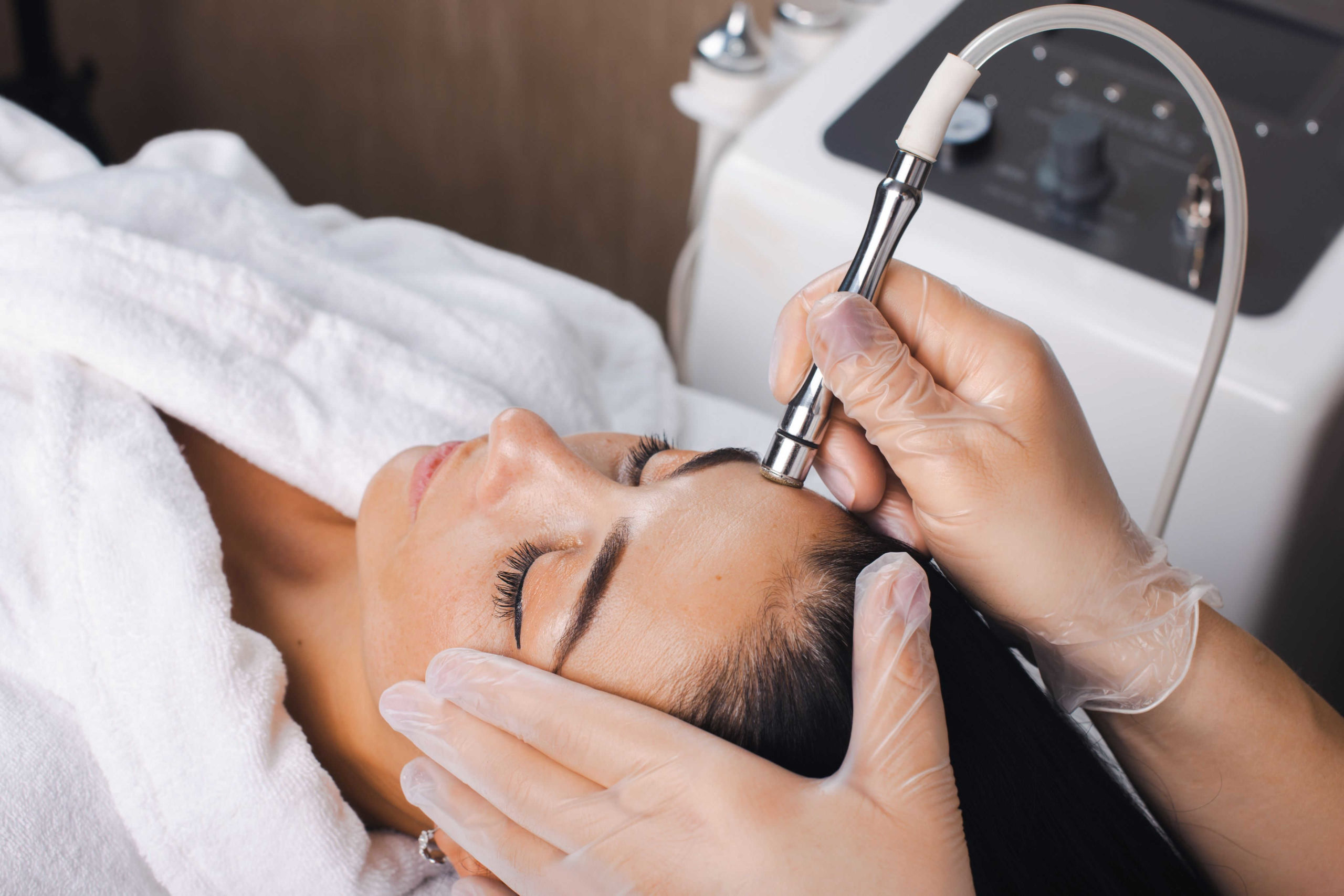
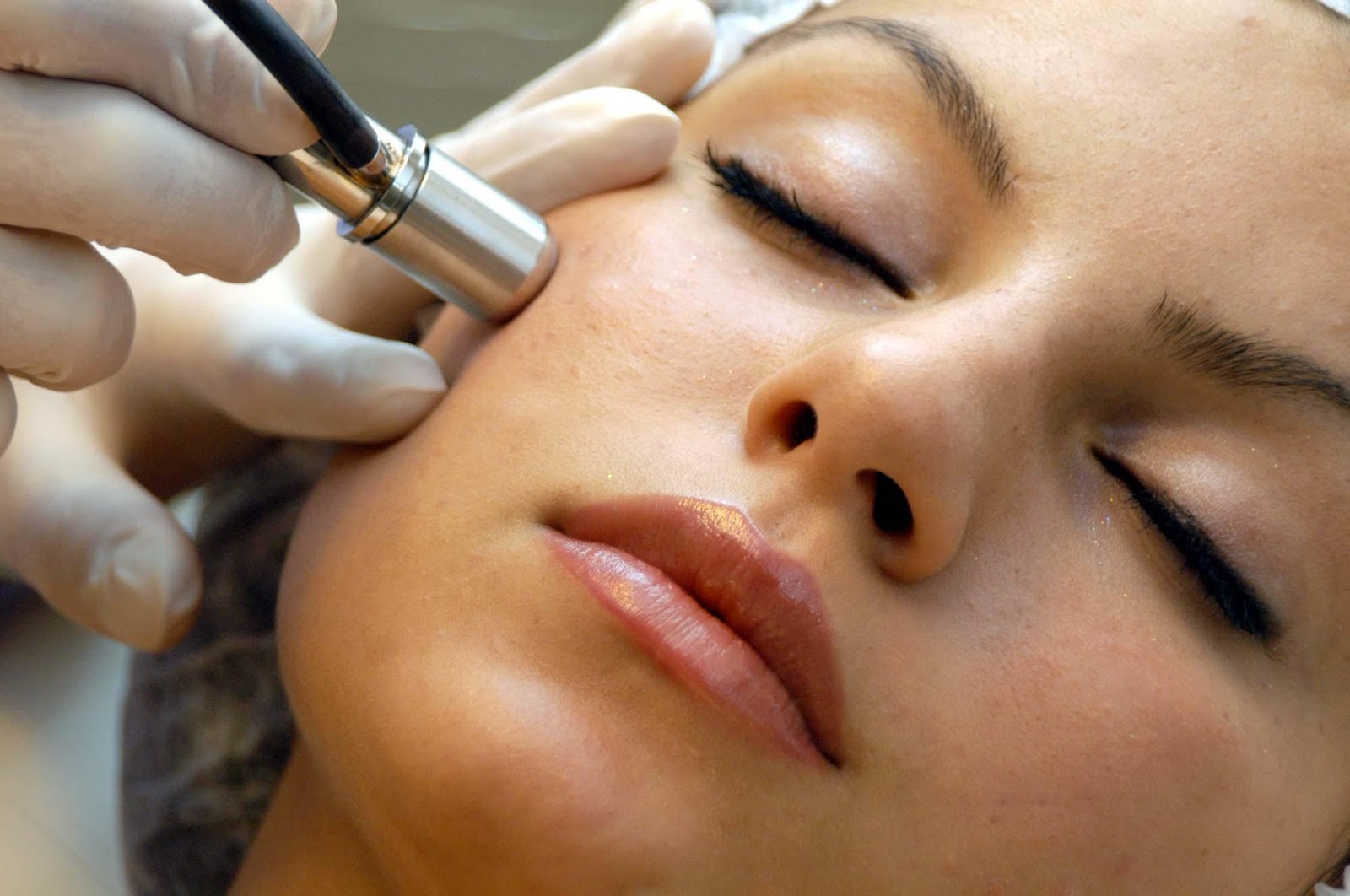
Crystal Microdermabrasion – A handheld device sprays fine crystals onto the skin while simultaneously suctioning them away. This process removes dead skin cells and unclogs pores.
-
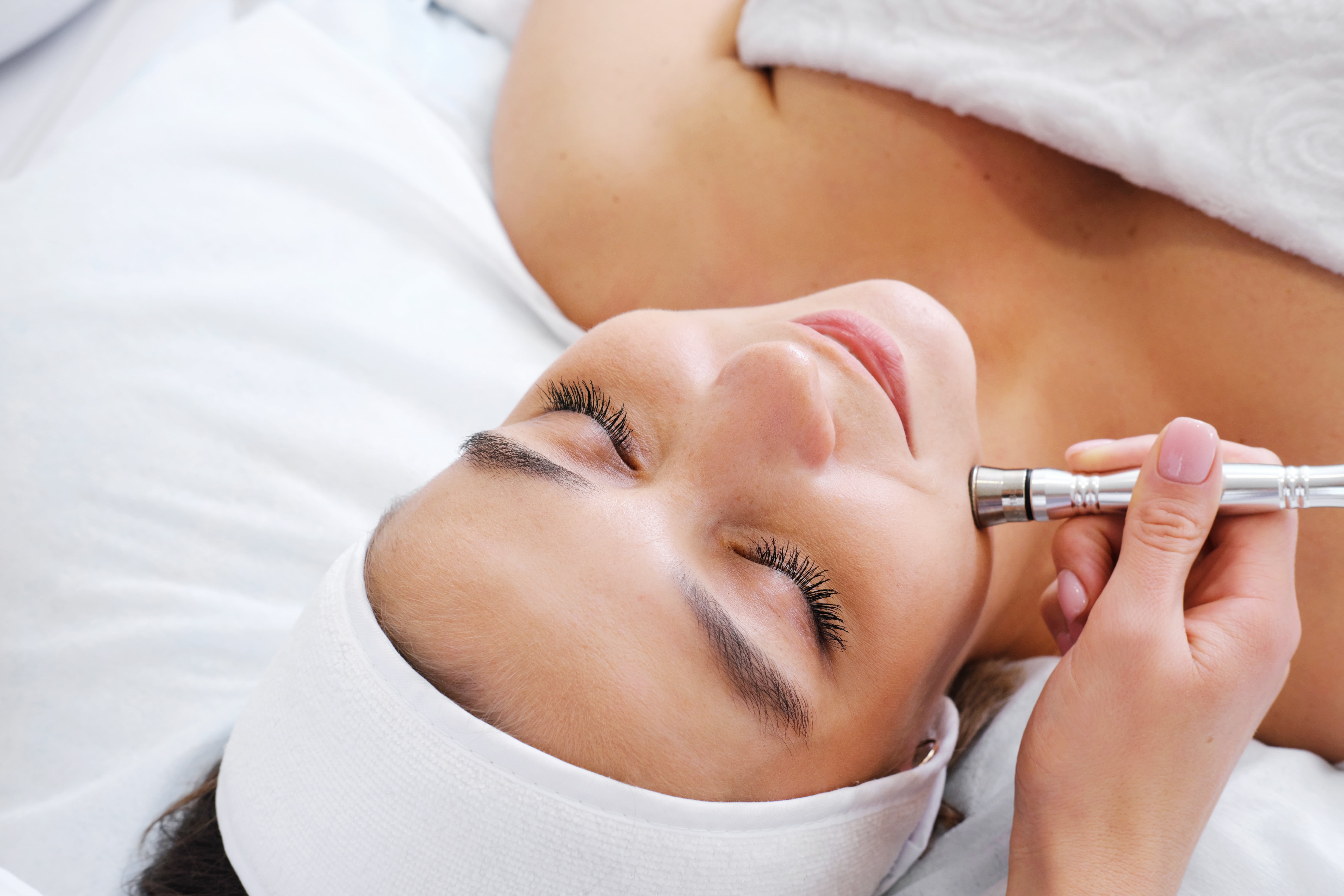
Diamond-Tip Microdermabrasion – A diamond-tipped wand is gently moved across the skin’s surface, exfoliating without crystals. This method allows for more precision, especially in sensitive areas such as around the eyes or mouth.
Both methods are quick, painless, and require no downtime, making them ideal for busy individuals seeking effective results with minimal disruption to their routine.
Benefits for Skin Renewal and Texture
-
Improved Cell Turnover: By eliminating dead cells, microdermabrasion promotes the production of new, healthier skin.
-
Smoother Surface: Fine lines, rough patches, and uneven textures are visibly reduced.
-
Brighter Complexion: The removal of dull surface layers reveals fresher, glowing skin underneath.
-
Enhanced Skincare Absorption: After treatment, the skin is more receptive to moisturizers, serums, and other products, allowing them to penetrate more deeply and work more effectively.
Microdermabrasion vs. Other Treatments
While there are many skin rejuvenation methods available, microdermabrasion stands out for its gentle yet effective approach:
-
Compared to Chemical Peels: Chemical peels use acids to exfoliate at a deeper level, often requiring longer recovery time. Microdermabrasion is milder, with fewer risks of irritation, making it suitable for more skin types.
-
Compared to Facials: Standard facials cleanse and hydrate the skin but do not usually provide the same level of exfoliation. Microdermabrasion delivers deeper resurfacing, offering longer-lasting results.
-
Compared to Laser Treatments: Lasers can target deeper layers of the skin and may be better for advanced issues, but they come with higher costs and longer downtime. Microdermabrasion is an affordable, quick alternative for those seeking visible improvements without the commitment.
Common Skin Issues Improved with Microdermabrasion
Fine Lines and Wrinkles
As we age, our skin naturally loses elasticity and collagen, leading to the development of fine lines and wrinkles. Microdermabrasion helps combat these early signs of aging by gently exfoliating the top layer of the skin and encouraging new cell growth.
-
Exfoliation Power: By removing dead skin cells, fine lines appear softer and less defined.
-
Collagen Stimulation: The treatment boosts collagen and elastin production, which plumps the skin and restores a smoother, more youthful appearance.
-
Preventative Benefits: Regular sessions not only reduce existing lines but also help slow down the formation of new ones, keeping skin firmer for longer.
Uneven Skin Tone & Hyperpigmentation
Sun exposure, hormonal changes, and acne can all leave behind dark spots, patches, and discoloration. These issues often make the complexion look uneven and aged. Microdermabrasion is highly effective in addressing pigmentation problems because it gradually removes the damaged outer layers of the skin.
-
Improvement of Sun Damage & Age Spots: Lightens visible spots and minimizes their appearance over multiple treatments.
-
Reduction in Discoloration: Helps fade post-inflammatory hyperpigmentation from acne and other skin irritations.
-
Brighter, Even Complexion: With consistent sessions, the skin tone becomes more uniform, leaving behind a naturally radiant glow.
Acne Scars & Post-Inflammatory Marks
Acne often leaves behind more than just temporary blemishes—shallow scars and dark marks can affect skin texture and confidence. Microdermabrasion is particularly effective in minimizing these concerns by resurfacing the top layer of skin.
-
Reduction of Shallow Scars: The exfoliation process smooths out uneven areas, making shallow acne scars less noticeable.
-
Fading of Post-Inflammatory Hyperpigmentation: Dark spots caused by past breakouts gradually lighten with repeated treatments.
-
Refined Texture: The skin feels smoother, softer, and more even to the touch, restoring a clearer complexion.
Enlarged Pores & Blackheads
Enlarged pores and frequent blackheads are common struggles, especially for individuals with oily or combination skin. Microdermabrasion provides a deep cleansing effect that addresses both issues.
-
Clearing Clogged Pores: Suction and exfoliation remove excess oil, dirt, and debris that contribute to blackheads.
-
Reduction of Blackheads: Consistent treatments keep pores clean, reducing the frequency of stubborn blackheads.
-
Minimized Appearance of Pores: By stimulating skin renewal, the treatment gradually tightens and refines pores, giving the skin a smoother, more polished look.
Dull, Rough, or Dry Skin
Environmental factors, aging, and lack of proper skincare often leave skin looking lackluster and feeling rough. Microdermabrasion instantly refreshes the skin’s surface for a revitalized glow.
-
Removal of Dead Skin Cells: Exfoliation clears away dry, flaky layers that make the complexion appear tired and uneven.
-
Boost in Radiance: Fresh skin is revealed, resulting in a brighter and more youthful appearance.
-
Hydration Support: With the surface cleared, moisturizers and serums penetrate more effectively, leaving the skin plump and nourished.
Who is an Ideal Candidate for Microdermabrasion?
Suitable for Most Skin Types
-
Normal to Combination Skin: Ideal for those who want smoother texture, reduced pores, and a refreshed glow.
-
Aging Skin: Helps minimize early signs of aging like fine lines and dullness.
-
Pigmentation Concerns: Effective for individuals struggling with uneven tone, sun damage, or mild discoloration.
-
Oily or Congested Skin: Great for clearing clogged pores and reducing blackheads.
When Microdermabrasion May Not Be Suitable
While gentle, microdermabrasion is not recommended for everyone. People with certain skin conditions should avoid or delay treatment until cleared by a professional:
-
Active Acne Breakouts: Exfoliation can worsen irritation and spread bacteria.
-
Rosacea or Sensitive Skin: The process may cause redness, flare-ups, or discomfort.
-
Eczema or Dermatitis: Already-inflamed skin may become more irritated.
-
Recent Skin Injuries or Treatments: Cuts, burns, or recent chemical peels/laser treatments should heal before undergoing microdermabrasion.
Importance of Professional Guidance
Before beginning sessions, it’s essential to consult a licensed aesthetician or dermatologist. A professional will:
-
Assess your skin type and current condition.
-
Recommend the right number of sessions for your goals.
-
Ensure the treatment is performed safely and effectively.
-
Suggest complementary skincare or treatments for optimal results.
Conclusion
Microdermabrasion is more than just a beauty trend—it’s a proven treatment that addresses a variety of skin concerns. From fine lines and wrinkles to uneven skin tone, acne scars, enlarged pores, and dullness, this non-invasive procedure offers a safe and effective way to restore your skin’s natural glow. Unlike more aggressive treatments, microdermabrasion is gentle, requires no downtime, and is suitable for most skin types, making it an affordable option for long-term skin health. With consistent sessions and proper aftercare, the results can be both noticeable and long-lasting.
FAQs
1. How many microdermabrasion sessions do I need to see results?
Most people notice a visible glow after just one session, but for deeper concerns like acne scars or pigmentation, dermatologists often recommend 4–6 sessions spaced a few weeks apart.
2. Is microdermabrasion safe for all skin types?
Yes, microdermabrasion is generally safe for most skin types. However, it is not recommended for individuals with active acne, rosacea, eczema, or very sensitive skin without consulting a professional first.
3. Does microdermabrasion help with acne scars and dark spots?
Yes, microdermabrasion can reduce the appearance of shallow acne scars and lighten dark spots over multiple sessions by promoting cell turnover and resurfacing damaged skin.
4. What should I avoid after a microdermabrasion treatment?
After treatment, avoid direct sun exposure, harsh skincare products, heavy makeup, and strong exfoliants for at least 48 hours. Always use sunscreen and hydrate well to protect your skin.
5. How is microdermabrasion different from chemical peels or laser treatments?
Microdermabrasion is gentler and requires no downtime, while chemical peels and laser treatments work at deeper layers of the skin and may involve more recovery time. It’s an affordable, beginner-friendly option for skin rejuvenation.

